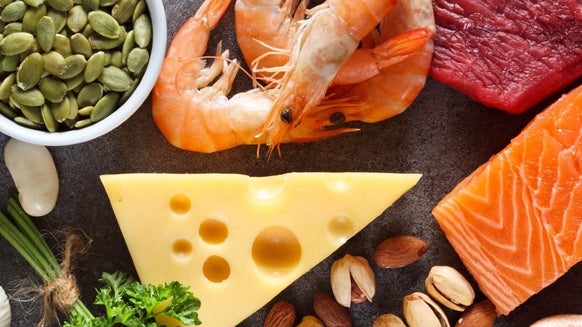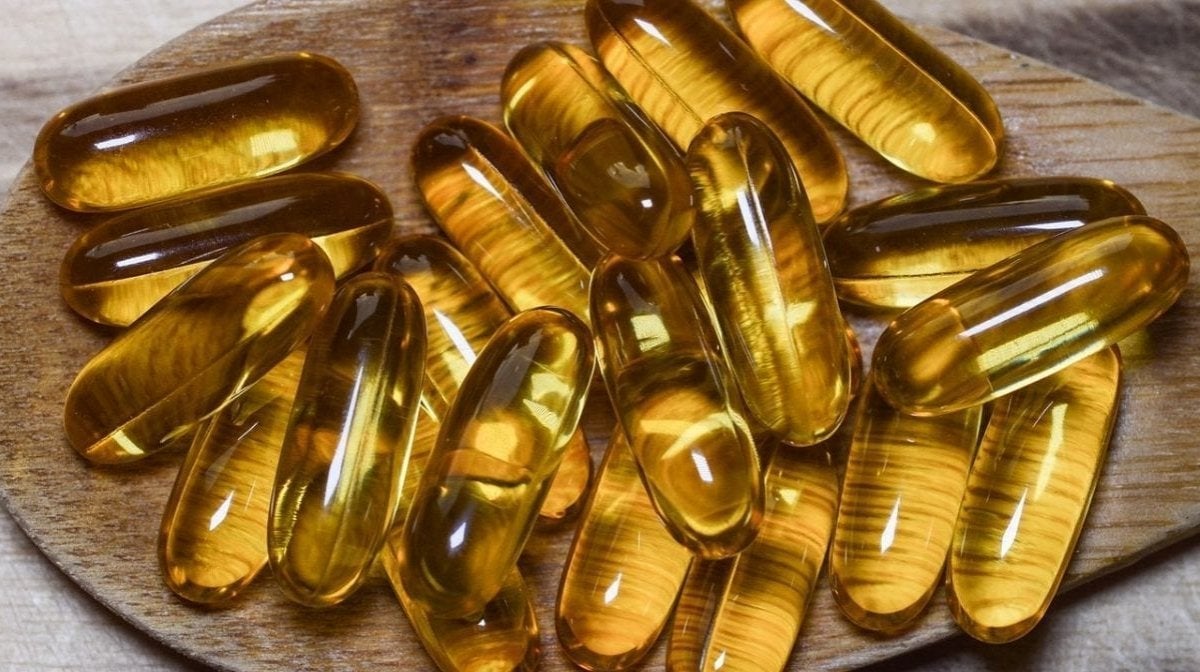
相信大家都聽說過 Omega-3 有許多益處。
那麼 Omega-3 到底是什麼,又對身體健康有哪些好處呢?
什麼是Omega-3?
Omega-3,是一種多不飽和脂肪酸,屬於人體必需脂肪酸,這意味著我們必須從飲食中獲取 Omega-3,因其不能由身體自己產生。
Omega-3 有許多不同的形式,其長度和化學結構都不同。短鏈 Omega-3 脂肪酸可以來自植物來源,例如多葉綠色蔬菜,核桃和亞麻籽。例如 ALA 或 α-亞麻酸,就是一種基於植物的 Omega-3 脂肪酸。
長鏈脂肪酸是 Omega-3 的另一種常見形式。這些 Omega-3 脂肪酸包含二十碳五烯酸(EPA)和二十二碳六烯酸(DHA)。
EPA 和 DHA 與大腦和眼睛的健康息息相關,是人體細胞的重要結構組成部分。它們天然存在於藻類中,被魚類和其他海洋生物食用。這些脂肪酸通常被稱為海洋來源的 Omega-3,它們還有另一個大名鼎鼎的稱呼——魚油。
Omega-3 的功效
Omega-3,特別是魚油,據說對我們的身體有種種益處,但科學是否支持這種說法呢?讓我們來看看 omega-3 的功效:
魚油和胰島素敏感性
保持對胰島素敏感是身體健康的標誌之一,也通常是健康的生活方式、良好的營養補充和規律運動的結果。研究表明,魚油雖然並不能改善胰島素敏感性,但是在進一步的研究中發現,魚油似乎確實對具有代謝紊亂症狀的人有益。
魚油和高血壓
許多營養學人士認為魚油有助於降低血壓,從而降低心血管風險。一項研究對這些說法及科學證據進行了調查,發現並確定魚油對血壓有一定影響。
毫無疑問,對於高血壓患者來說,魚油是有益的,但魚油並不能代替降低血壓藥物。如果你正在使用降壓藥來治療高血壓,那麼建議你在考慮使用魚油之前先諮詢醫學專家,以幫助進一步降低風險。
魚油與心理健康
研究人員一直在尋找治療憂鬱症的新方法,而其中之一就是魚油。
魚油含有 Omega-3 多不飽和脂肪酸(PUFA)。這種脂肪酸被認為有抗憂鬱的效果。一個猜想是,PUFA可以減輕我們神經細胞的炎症,引起抗憂鬱作用。
另一個理論是,PUFAs 使用一種稱為 G 蛋白的蛋白質,或直接與質膜相互作用改動這種蛋白質,從而產生抗憂鬱作用。這兩種反應是一起發生還是單獨發生尚不清楚,但 對魚油的現有研究的總結表明,與安慰劑相比,Omega-3 具有明顯的抗憂鬱作用。

魚油與心臟健康
多年來,關於 Omega-3 補充劑及其對心臟健康產生積極影響的話題很多,研究結果不一。
Azin Mohebi-Nejad 領導進行的研究對先前的探索進行了總結,並得出結論,在陽性和陰性試驗中都缺乏 Omega-3 有益於心臟健康的證據。
魚油和減脂
在人類和動物試驗中都有研究表明,補充多不飽和脂肪酸(例如Omega-3)可能有助於減少脂肪。
抑制食慾,如果你不經常感到飢餓,那麼吃零食的可能性就會大大降低, Omega-3 可能會幫助人體分解脂肪細胞用作燃料的能力。如果我們平均消耗的能量多於通過食物攝取的能量,就可以減輕體重。最後,科學表明,Omega-3 可能會減少以人體脂肪形式存儲的卡路數量。
魚油和增肌
如果你想增加瘦肌肉,補充 Omega-3 可能會有所幫助。 Omega-3 被證明可以提高人體將營養物質輸送到肌肉細胞的能力,這對生長肌肉很重要。
Omega-3 還影響我們 DNA 的功能,以增加優質的肌肉組織。 PUFA 似乎有利於在卡路里不足或維持水平的情況下,保留甚至建立瘦肌肉。僅靠 Omega-3 補充劑雖然不足以生長和維持新的肌肉質量,但是每增加一點點的瘦肌肉都能幫助我們達到體質目標。
總結來說,魚油中的 Omega-3 是健康均衡飲食中不可或缺的一部分。
理想情況下,每天都要攝取足夠的這些必需脂肪酸,以保持健康。魚油中的 Omega-3 還與多種健康和健身相關的益處有關,包括減重和增肌。
儘管其中一些益處實際上只是微不足道的,但它們仍然可能有益。

<p style="text-align: center;">Grant is a sports nutritionist and certified strength coach. He has multiple postgraduate diplomas in nutrition and strength coaching as well as a Master’s degree in Sports and Exercise Nutrition, with a specific focus on protein. Grant has worked in the fitness industry for well over a decade and has helped coach professional athletes and sports teams, as well as the average gym-goer looking to get in the best shape possible. He now spends most of his working time teaching fitness professionals and coaching people remotely.</p> <p style="text-align: center;">He’s a big believer in practising what he preaches and has been involved in resistance training and martial arts for over 20 years. In his spare time, Grant enjoys being with his wife and daughter as well as the family dogs and catching up on the latest Netflix series.</p> <p style="text-align: center;">Find out more about Grant’s experience <a href="https://www.linkedin.com/in/grant-koch-8bb22ba9/">here</a> and about his personal training <a href="https://www.bodynovo.com/">here</a>.</p>
References
1. Buckley, J. D., & Howe, P. R. C. (2010). Long-Chain Omega-3 Polyunsaturated Fatty Acids May Be Beneficial for Reducing Obesity—A Review. Nutrients, 2(12), 1212–1230. https://doi.org/10.3390/nu2121212
2. Burhani, M. D., & Rasenick, M. M. (2017). Fish oil and depression: The skinny on fats. Journal of Integrative Neuroscience, 16(Suppl 1), S115–S124. https://doi.org/10.3233/JIN-170072
3. Campbell, F., Dickinson, H. O., Critchley, J. A., Ford, G. A., & Bradburn, M. (2013). A systematic review of fish-oil supplements for the prevention and treatment of hypertension. European Journal of Preventive Cardiology, 20(1), 107–120. https://doi.org/10.1177/2047487312437056
4. de Magalhães, J. P., Müller, M., Rainger, G. Ed., & Steegenga, W. (2016). Fish oil supplements, longevity and aging. Aging (Albany NY), 8(8), 1578–1582. https://doi.org/10.18632/aging.101021
5. Gao, H., Geng, T., Huang, T., & Zhao, Q. (2017). Fish oil supplementation and insulin sensitivity: a systematic review and meta-analysis. Lipids in Health and Disease, 16(1), 131. https://doi.org/10.1186/s12944-017-0528-0
6. Ghasemi Fard, S., Wang, F., Sinclair, A. J., Elliott, G., & Turchini, G. M. (2018). How does high DHA fish oil affect health? A systematic review of evidence. Critical Reviews in Food Science and Nutrition, 1–44. https://doi.org/10.1080/10408398.2018.1425978
7. Goel, A., Pothineni, N. V., Singhal, M., Paydak, H., Saldeen, T., & Mehta, J. L. (2018). Fish, Fish Oils and Cardioprotection: Promise or Fish Tale? International Journal of Molecular Sciences, 19(12). https://doi.org/10.3390/ijms19123703
8. Jenkins, D. J. A., & Josse, A. R. (2008). Fish oil and omega-3 fatty acids. CMAJ : Canadian Medical Association Journal, 178(2), 150. https://doi.org/10.1503/cmaj.071754
9. McNamara, R. K., & Carlson, S. E. (2006). Role of omega-3 fatty acids in brain development and function: potential implications for the pathogenesis and prevention of psychopathology. Prostaglandins, Leukotrienes, and Essential Fatty Acids, 75(4–5), 329–349. https://doi.org/10.1016/j.plefa.2006.07.010
10. Mohebi-Nejad, A., & Bikdeli, B. (2014). Omega-3 Supplements and Cardiovascular Diseases. Tanaffos, 13(1), 6–14.
11. Swanson, D., Block, R., & Mousa, S. A. (2012). Omega-3 fatty acids EPA and DHA: health benefits throughout life. Advances in Nutrition (Bethesda, Md.), 3(1), 1–7. https://doi.org/10.3945/an.111.000893
12. Bradberry, J. C., & Hilleman, D. E. (2013). Overview of Omega-3 Fatty Acid Therapies. Pharmacy and Therapeutics, 38(11), 681–691.
13. Erdman, J., Oria, M., & Pillsbury, L. (2011). Eicosapentaenoic acid (EPA) and docosahexaenoic acid (DHA). In Nutrition and traumatic brain injury: Improving acute and subacute health outcomes in military personnel. National Academies Press (US).